


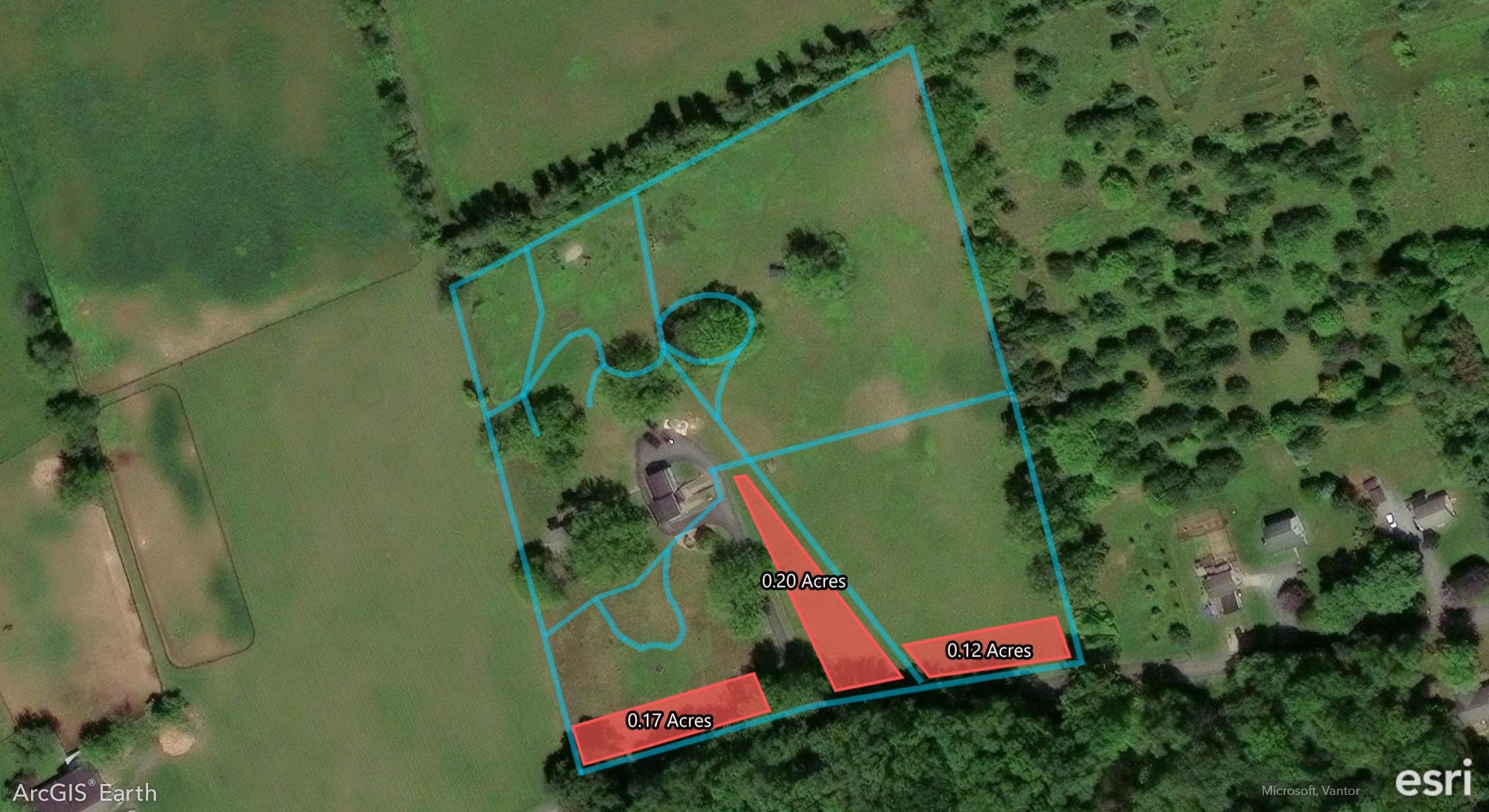
There’s a wide field at Longview Farm, between the woodlot and the barn, sloping gently down toward Cedar Lane. This summer, we’re putting it to work as a new pollinator habitat, and we’d love your help bringing it to life.
What we’re planting
A pollinator habitat is a planted patch of native flowering species, chosen so that something is in bloom from spring through frost.
Over time, this patch will become a small, dense, working ecosystem in the middle of our property — a place where the land is doing something for the wider region, one bloom at a time.
A well-designed pollinator habitat does more than feed bees. The flowers feed butterflies, moths, hummingbirds, and the songbirds that depend on the insects above. The leaves and stems become host plants for caterpillars and nesting material for ground-nesting bees — and there are far more species of those in our region than most people realize.
Pennsylvania alone is home to hundreds of native bee species, most of them solitary ground-nesters that look almost nothing like the European honeybee that gets all the press. A working habitat feeds the pollinators we know by name and the dozens of small species we rarely see, the ones that quietly hold the rest of the food web together.
Why this matters, here and now
Native pollinator populations across North America have been in steady decline, and habitat loss is the largest driver. Lawns, pavement, and monoculture farmland don’t feed insects. Each patch of restored habitat is a stepping stone — a place pollinators can refuel as they move across the landscape.
A property like Longview Farm, planted with intention, becomes part of a network of habitat patches stitched together across Chester County and the broader Pennsylvania Piedmont. It’s one of the most direct ecological contributions a piece of land like this can make.
An invitation to volunteer
We’d love to share the first day of this work with people from our community, and we’re putting out a call for volunteers to help with the workday in mid-June.
Workdays at Longview tend to feel like a good weekend spent with people who care about the same things. We’ll provide water, snacks, gloves if you need them, and clear instructions. You bring yourself, closed-toe shoes, and an openness to spending a day with people you may not know yet.
The form below will let us know who’s interested and which days work for you. As soon as supplies are here, we’ll send everyone who signed up the workday details — what to bring, where to park, and what to expect when you arrive.
If you have questions in the meantime, you can email Jocelyn at jocelyn@inworks.llc.
Longview is the kind of place that gets built slowly — by a lot of different hands, over a lot of seasons. We’re three years into shaping it as a community space, and this pollinator habitat is the piece of that work the land will keep doing on its own, long after planting day is over. There’s something good about putting things into the ground that will outlast all of us — and we’re grateful for the people who keep showing up to help us build this place, season by season.
We hope you’ll be one of them.