


If you've already signed up to volunteer with us, please take a minute to confirm your day:
If you have not signed up but would like to join, you can sign up in the same place!
Federal conservation funding for projects like this doesn’t always come around. When it does, the responsible thing is to use it well.
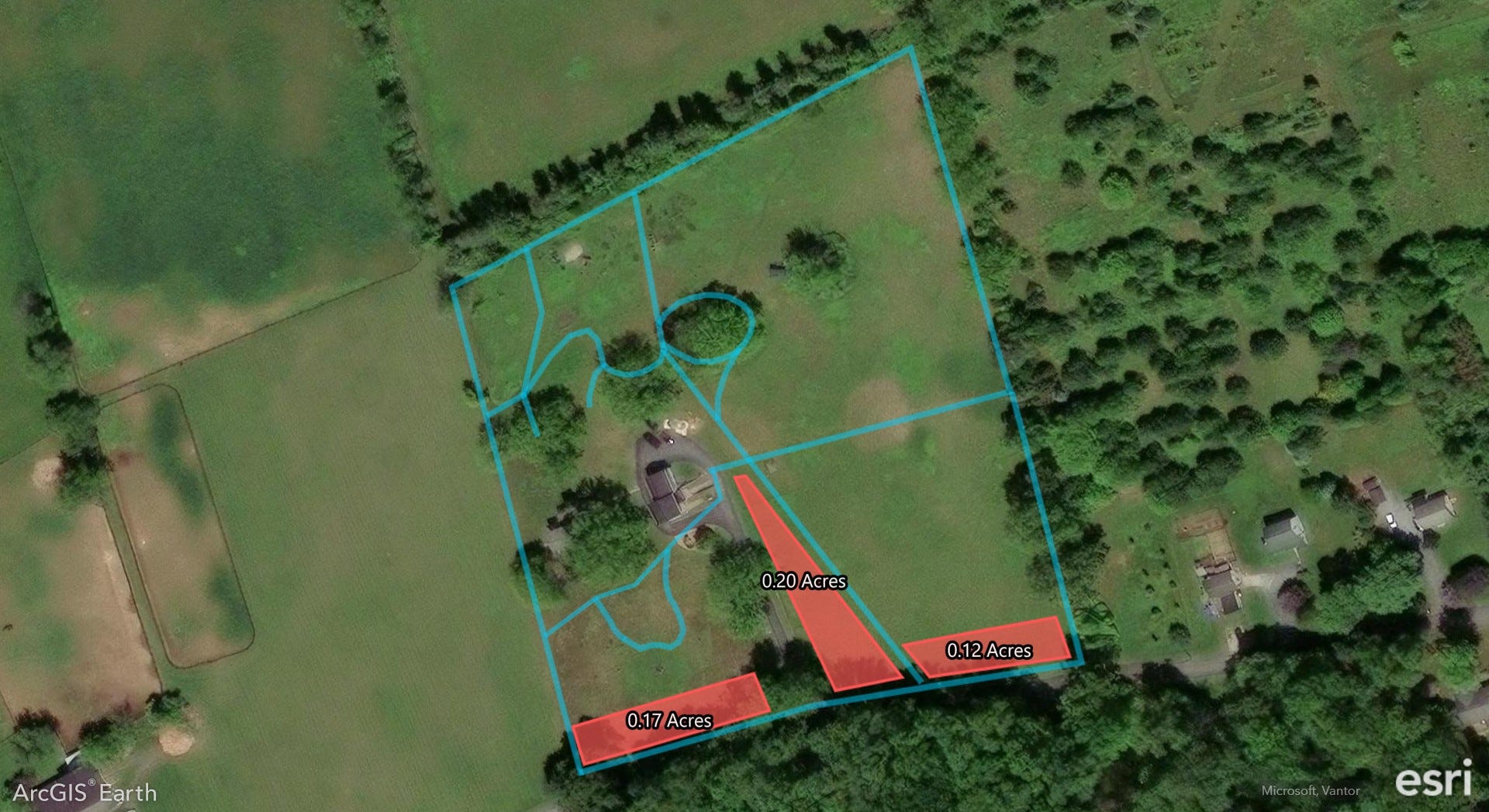
Longview Farm is a recipient of the USDA Natural Resources Conservation grant funding this year, which means we have support, both financial and technical, to establish a native plant border along the field edges of the property.
The first weekend of physical work is June 13 and 14. We’d like to invite anyone who wants to put hands on it to come help.
What we’re building
The pollinator habitat will be a long border of native wildflowers and grasses running along the field edges, planted into ground we’ve prepared specifically for it. Once it’s established, it’ll be one of the liveliest corners of the property: the kind of habitat that brings back bees, butterflies, and birds, and creates cover for the smaller wildlife that depends on the structure native plants provide. From a distance, in late summer of its second year, it should look like a long ribbon of color along the edge of mown field.
It’s also useful land. A native pollinator border supports the crops we grow, the orchards in the surrounding area, and the broader ecological function of a working landscape. Habitat loss has been one of the quieter drivers of pollinator decline in this region, and small farms restoring habitat at the edges of working fields are part of how that gets reversed.
Why next weekend looks like plastic
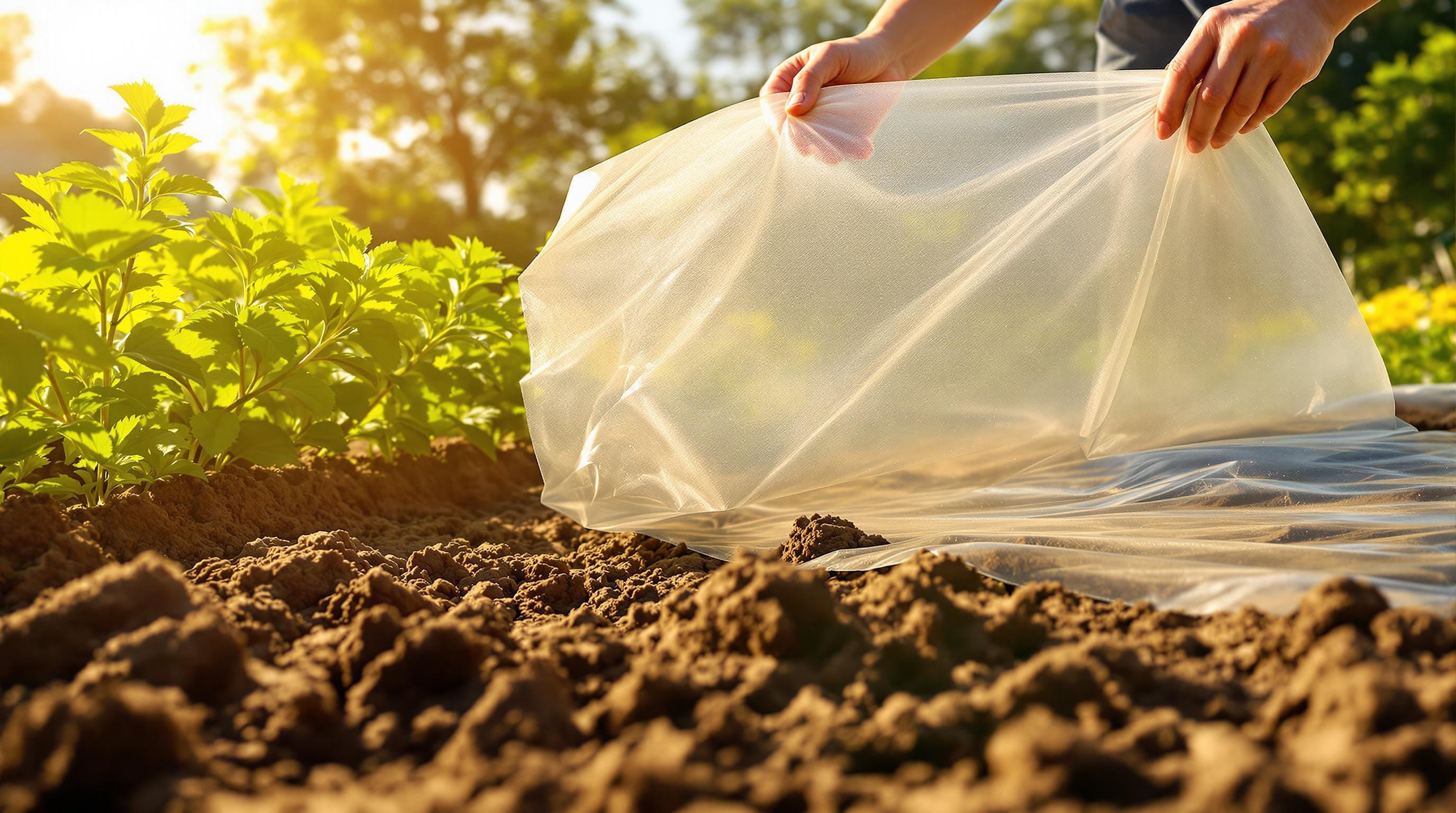
This is the part that surprises people. Before you can seed a pollinator habitat, you have to clear what’s already growing: the existing weeds, grasses, and seed bank that would otherwise outcompete native seedlings. The most ecologically sound way to do that, at this scale, is solarization. We lay heavy plastic over the treatment areas, weigh it down, and let the summer sun do the work. The plastic sits for three to four months, and the ground underneath becomes a clean bed.
In the fall, we’ll come back, pull the plastic, and seed the pollinator mix directly into the prepared ground. The seed overwinters, germinates in spring, and then takes one to two seasons of careful management before the habitat becomes mostly self-sustaining.
So the work next weekend isn’t glamorous. It’s spreading plastic, weighing it down with stones from the fieldstone border, and burying the edges. It’s the kind of work that doesn’t look like much in the moment but sets up every season that follows.
Two days, your hands welcome
The volunteer weekend is Saturday, June 13 and Sunday, June 14, from 9:00 AM to 1:00 PM each day. We start early to stay ahead of the afternoon heat.
The first 30 to 45 minutes is a safety briefing and walkthrough of the work, and then about three hours of hands-on work with water breaks built in.
Anyone on Sunday is welcome to stay for a small potluck from 2:00 to 5:00 PM, during Gallery hours. Bring something to share if you’d like, but it’s not required. A good meal in the shade after the morning’s work feels like the right way to close out the day.
If you’d like to come, please fill out the short sign-up form here:
We’ll follow up with everything you need to know, what to wear, what to bring, weather notes, by mid-week.
Why this matters now
The federal programs that support pollinator habitat establishment on small working landscapes don’t survive every administration, and the funding cycle that made this project possible isn’t guaranteed to be there in the same form next year. The work is real, the partnership is real, and the chance to get this kind of habitat into the ground at this scale doesn’t always come around. We’re grateful for it, and we’d like as many people as possible to be part of it while it’s here.
Whether you’re showing up for a few hours, the whole morning, or both days, the habitat will be better for it. And so will what comes next.