


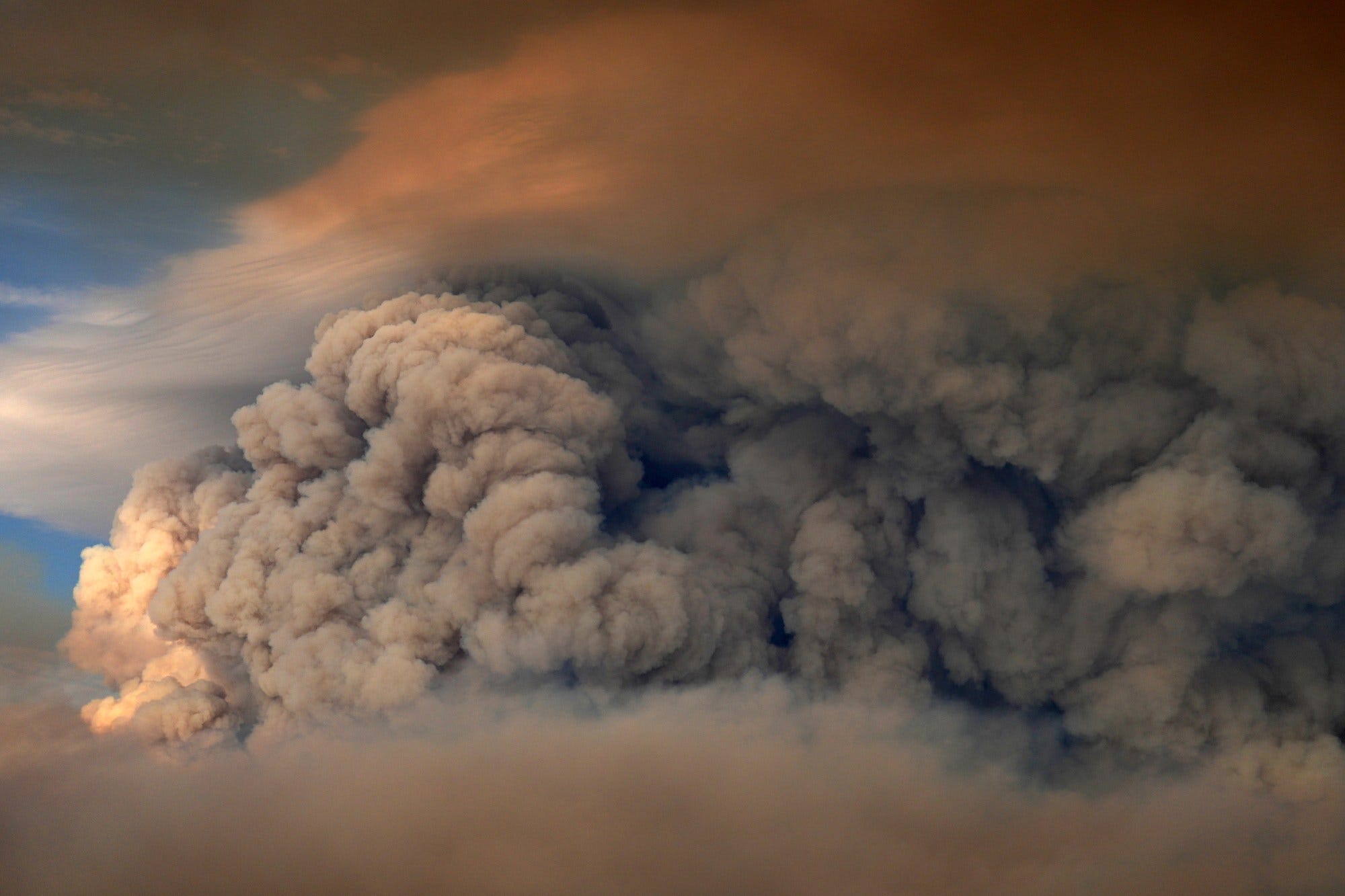
If you stepped outside in Chester Springs, Phoenixville, or anywhere in Chester County this morning and thought the sky looked wrong, you’re not imagining it. That haze is Canadian wildfire smoke, and it’s serious enough that the state has issued a formal warning.
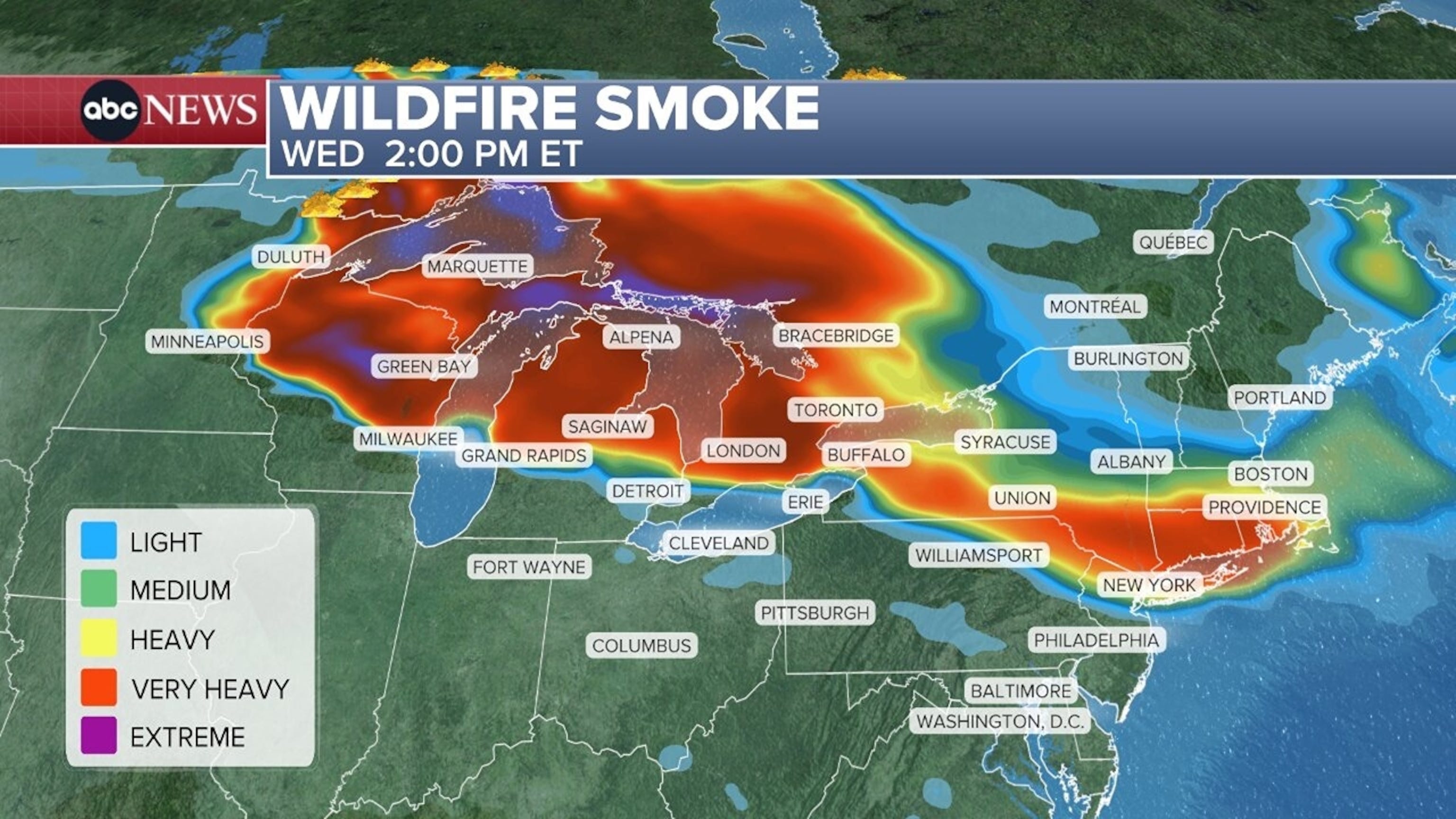
The Pennsylvania Department of Environmental Protection has declared a statewide Code Red Air Quality Action Day for Thursday, July 16, 2026, because wildfire smoke from Canada and Minnesota is pushing into Pennsylvania and creating Code Red concentrations of PM2.5.
The same alert is in effect across New Jersey, and Delaware is under a Code Orange. The National Weather Service in Mount Holly says the smoke is expected to thin somewhat on Friday after it peaks Thursday night. 1
We’re also in the middle of a heat wave, which makes today doubly hard on lungs and hearts. Philadelphia and several surrounding counties remain under a heat advisory Thursday, with feels-like temperatures climbing to 100 degrees or more.2
We wanted to send a neighborly note about what’s actually in the air, who’s most at risk today, and what will help in the days to come.
What exactly is happening
This is not a one-off. Since 2023, the North Midwest and northeastern United States has felt the affects of seasonal Canadian wildfires. Forward-looking forecasts from the Government of Canada indicate above-normal temperatures for nearly all Canadian regions for June, July, and August. Drought conditions have persisted across Canada for several years, and Natural Resources Canada’s modeling shows fire danger building through July across Canada with British Columbia facing the highest and most sustained fire risk. Smoke from those fires travels thousands of miles on the jet stream and settles over the Mid-Atlantic when the winds line up. That’s what’s happening today.3
What’s in the smoke, and why being alert matters
Wildfire smoke is not ordinary summer haze. It’s a mixture of gases and particles primarily from the burning of trees and plants, and of these air pollutants, fine particulate matter — also called PM2.5 — is the biggest threat to your health.
Even if you breathe smoky air for only one day, it can affect your health.
According to the EPA, short-term wildfire smoke exposure can lead to headaches, eye irritation, coughing, wheezing, difficulty breathing, chest tightness, bronchitis, reduced lung function, asthma exacerbation, emergency department visits for respiratory conditions, heart failure exacerbation, heart attack, stroke, preterm birth, and premature death.4
Most healthy people recover quickly from wildfire smoke exposure and will not experience immediate severe or long-lasting health effects. However, some groups are at higher risk — including children, older adults, pregnant women, people with heart or lung disease, and people with higher exposures such as outdoor workers.
The American Lung Association adds that people who work outdoors, people who live or work near pollution sources, people with lower incomes, and people of color also face higher risk from poor air quality.5
You don’t have to smell smoke for it to be affecting you. On a day like today, PM2.5 is elevated even where the haze looks mild.
How to check the air where you are
AirNow.gov — enter your ZIP code for the real-time Air Quality Index (AQI).
AirNow Fire and Smoke Map — a joint EPA and U.S. Forest Service resource that shows fine particle pollution from wildfires and other sources.
The free AirNow app — same data on your phone.
The color codes: Green is good air quality, Yellow means moderate, Orange represents unhealthy pollution levels for sensitive groups, and Red warns of unhealthy pollution levels for all. Pennsylvania is Red today.6
What actually protects you (and what doesn’t)
A bandana or cloth mask does not filter PM2.5. What does:
A well-fitted N95 or NIOSH-approved respirator. The EPA recommends wearing a NIOSH-approved respirator, such as an N95, to protect your lungs from smoke if you need to go outside when smoke levels are high. Snug over the nose and mouth, no gaps. Surgical masks and cloth masks are not designed for this.

Keeping indoor air cleaner. Keep indoor air as clean as possible through indoor air filtration. Use a high-efficiency filter rated MERV 13 or higher if your HVAC system can safely use one. You can also buy a portable air cleaner or make a do-it-yourself air cleaner. Create a cleaner air room at home for a cleaner indoor air environment.
Setting AC to recirculate. The American Lung Association recommends setting air conditioners to recirculate to avoid pulling smoky outdoor air inside. Drivers are also encouraged to keep windows and vents closed and use the recirculate setting in their vehicles.
Rescheduling outdoor exertion. During Code Red Air Quality Alerts all residents should consider limiting their outdoor activities, and sensitive groups such as children, elderly residents, and those with respiratory illnesses should avoid long or intense outdoor activities and consider moving activities indoors. Yard work, runs, long dog walks, and youth sports can wait for Saturday. Saturday is expected to bring showers and high temperatures only in the low 80s.
Not adding to the problem. DEP is asking residents and businesses in Alert areas to voluntarily help reduce fine particulate matter by avoiding gas-powered lawn and garden equipment, reducing or eliminating fireplace and wood stove use, and avoiding the open burning of leaves, trash, and other materials.
Checking on neighbors. Especially older neighbors, neighbors with young kids, neighbors who work outdoors, neighbors without central air, and anyone managing asthma or COPD. A text is enough.
If this was useful, forward it to one neighbor today — especially someone older, someone with young kids, someone who works outside, or someone managing a heart or lung condition. Public health information travels through the people who care about you, not through algorithms.
Stay inside where you can. Check the map. Wear the N95 when you have to be out. We’ll be watching the sky with you until the air clears.